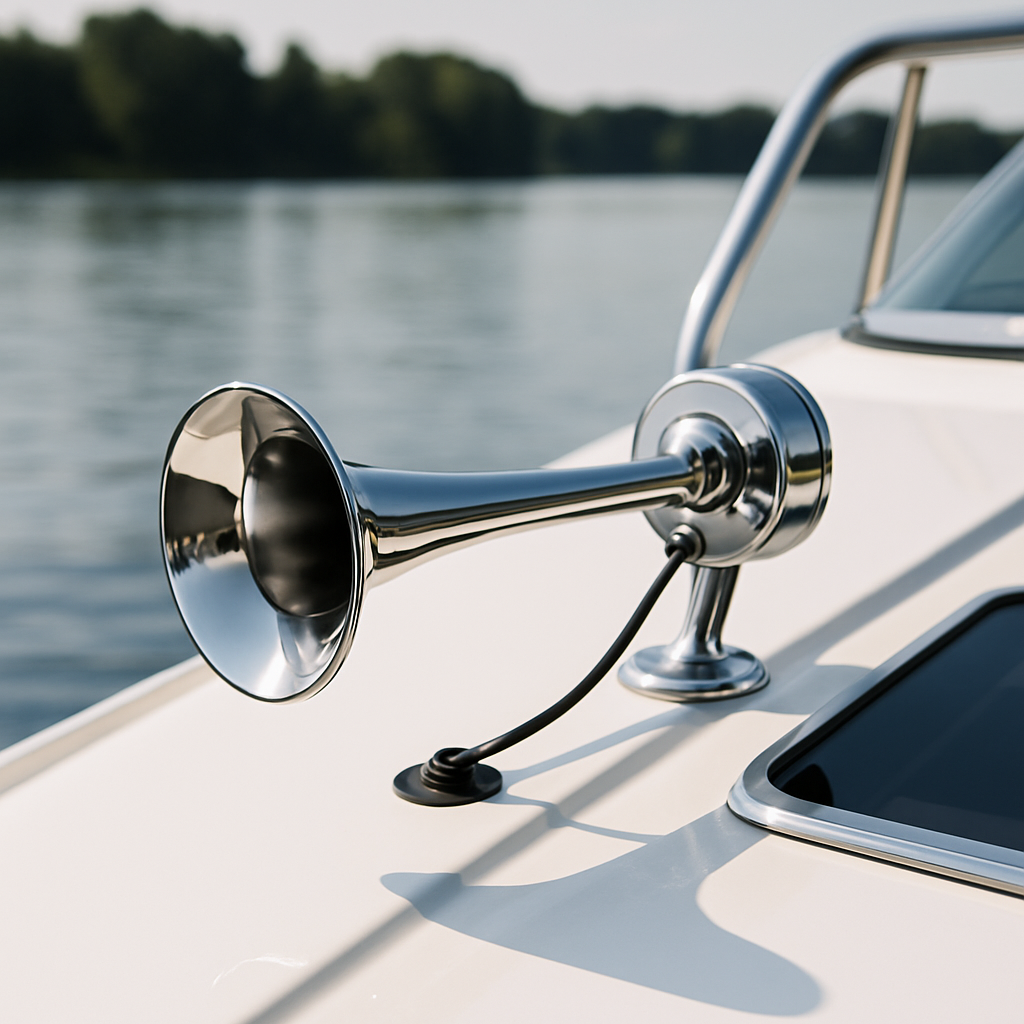
Discover the Power of Electric Boat Horn Repair: Enhance Safety and Confidence on the Water
Imagine gliding across a sunlit lake, the breeze in your hair, when suddenly another vessel appears out of nowhere. Your electric horn is the critical safety device you rely on—but what if it fails? This guide dives into everything you need for reliable electric boat horn repair, ensuring you never miss a signal.
Electric boats depend not only on a crisp horn but also on a smoothly running propulsion system. If you notice odd noises or performance drops, it might be time for an Electric Boat Motor repair. A minor motor issue can cascade into electrical faults that affect accessories like your horn. By addressing any motor irregularities early, you safeguard both navigation and communication equipment from unexpected breakdowns.
In the process of diagnosing horn malfunctions, it makes sense to examine related systems—especially the propulsion. For instance, wiring shared between the motor and horn circuits can develop corrosion or loose connections. If you suspect wiring faults around the battery or control panel, consider a professional Electric Boat Motor repair. Early intervention often prevents more extensive—and expensive—repairs down the line.
While our primary focus is on your horn, a complete electrical tune-up can save you time and headaches. That’s where comprehensive Electric Boat Repair services shine. From battery diagnostics to wiring overhauls, expert technicians can restore full functionality across all your onboard systems, giving you peace of mind every time you cast off.
Understanding Electric Boat Horns: A Comprehensive Guide
Electric boat horns are more than just loud noisemakers—they’re your voice on the water. Designed to emit a clear, sharp tone, they alert nearby vessels of your presence, intentions, or emergencies. Let’s break down the key parts and how they work together.
Components of an Electric Boat Horn
- Horn Unit: The main device producing the sound. It typically consists of a diaphragm and a resonating chamber that amplifies the sound.
- Switch: Activates the horn when pressed. It is usually located on the dashboard or steering console for easy access.
- Wiring: Conducts electricity from the power source to the horn. High-quality marine-grade wiring is essential to withstand the harsh marine environment.
- Power Source: Usually your boat’s battery, supplying voltage to the horn. A reliable power source ensures consistent horn performance.
How Electric Boat Horns Work
When you press the switch, it closes the electrical circuit. Current flows from the battery through the wiring into the horn unit. An internal diaphragm vibrates, creating the loud, distinctive signal that carries over water. This simple yet effective mechanism is crucial for maritime safety, allowing you to communicate effectively with other vessels.
Common Issues with Electric Boat Horns and How to Identify Them
Electric horns can fail in several ways, each with its telltale signs. By spotting symptoms early, you can avoid being stranded with a silent horn.
Typical Problems
- No Sound: The horn remains completely silent. This could be due to a blown fuse, a faulty switch, or a disconnected wire.
- Weak Sound: The horn produces a faint or inconsistent tone. This might indicate a low battery, corroded connections, or a failing horn unit.
- Intermittent Operation: The horn works only sporadically. This can be caused by loose wiring or a malfunctioning switch.
Diagnosing the Problem
Start by checking the battery’s charge level and terminal connections. Inspect wiring for fraying, corrosion, or loose joints. Use a multimeter to test the switch for continuity. Finally, examine the horn unit itself—look for physical damage or rust on its terminals. If the problem persists, consider consulting a professional for a more thorough diagnosis.
Step-by-Step Electric Boat Horn Repair Tutorial
Ready to get hands-on? Follow these steps to bring your horn back to life.
Tools and Materials Needed
- Multimeter: For testing electrical continuity and diagnosing faults.
- Screwdriver Set: To remove and install components.
- Replacement Parts: Such as switches, wiring, or horn units, if necessary.
- Electrical Tape: For insulating connections and preventing short circuits.
- Wire Connectors: To secure and connect wiring.
Repair Steps
- Safety First: Disconnect the battery to avoid shocks. Always ensure the boat is stable and secure before starting repairs.
- Inspect and Clean: Remove corrosion from terminals and connectors. Use a wire brush or sandpaper for stubborn corrosion.
- Test the Switch: Use your multimeter—replace if defective. Ensure the switch is properly mounted and free of moisture.
- Check Wiring: Repair or replace damaged cables. Use marine-grade wiring for durability and reliability.
- Replace the Horn Unit: If the horn is beyond repair, install a new one. Ensure it is securely mounted and properly aligned.
- Reconnect and Test: Hook up the battery and verify horn function. Test the horn in a safe environment to ensure it operates correctly.
Choosing the Right Replacement Parts for Your Electric Boat Horn
Quality parts make all the difference in longevity and performance. When shopping for replacements:
Considerations
- Compatibility: Ensure parts match your horn’s model and voltage. Check the manufacturer’s specifications for guidance.
- Quality: Opt for marine-grade components that resist corrosion. High-quality parts are more durable and reliable.
- Brand Recommendations: Navigator Boat parts come highly rated for durability. Trusted brands offer better warranties and customer support.
Preventive Maintenance Tips for Electric Boat Horns
A little maintenance goes a long way in preventing breakdowns. Schedule these checks at least twice a season:
Maintenance Tips
- Regular Inspections: Look over the horn and wiring before each trip. Check for signs of wear, corrosion, or damage.
- Clean Connections: Wipe away salt and grime from terminals. Use a protective spray to prevent future corrosion.
- Function Tests: Sound the horn briefly to confirm proper operation. Regular testing ensures the horn is ready when needed.
- Environmental Protection: Use a horn cover to shield against moisture and debris. Protecting the horn from the elements extends its lifespan.
Why Choose Navigator Boat for Your Electric Boat Horn Needs
Navigator Boat specializes in marine accessories, offering expert guidance and top-tier products for your horn repair needs.
Benefits of Choosing Navigator Boat
- Expertise: Years of focused experience in marine electrical systems. Their team understands the unique challenges of maritime environments.
- Quality Products: Robust horn units and parts designed for maritime use. Navigator Boat products are built to withstand harsh conditions.
- Dedicated Support: Friendly technical assistance, from troubleshooting to installation. Their customer service team is always ready to help.
Customer Testimonials: Success Stories with Navigator Boat’s Services
Don’t just take our word for it—hear from boaters who’ve benefited from Navigator Boat’s expertise.
Testimonials
- John D.: “Their repair kit was so straightforward, I had my horn working in under an hour. The instructions were clear, and the parts were top-notch.”
- Emily S.: “Navigator Boat’s service team helped me pick the perfect parts—I’m impressed! They even followed up to ensure everything was working smoothly.”
- Mark T.: “My horn is louder and more reliable than ever. Highly recommended. I feel much safer knowing my horn will work when I need it.”
With this guide, you now have the tools and knowledge to tackle electric boat horn repair with confidence. Whether you’re fixing a minor wiring issue or outfitting a brand-new horn unit, following these steps will keep you safe and audible on the water. Trust Navigator Boat for all your marine accessory needs—and sail on, worry-free!